— Mechanics
Controls & Keybinds Full Guide
Complete keybind logic from movement fundamentals to red/yellow combat reads.
// Guide Summary
Expands official control bindings and every core key into combat usage, including 4-hit M1 chains, M2 posture timing, F counters, AoE dodge rules, and Reiatsu-aware Flash Step usage.
Quick Reference
| Stage | Focus | Execution |
|---|---|---|
| Input setup | Core keys | Lock movement, interact, and weapon draw habits |
| Combat base | M1/M2/M3 | Control pressure and posture trades |
| Read layer | Red vs yellow | Use F only where valid, dodge AoE correctly |
| Mobility | Q and Space | Preserve Reiatsu while escaping danger |
| Systems | M/C/L/U | Integrate utility without breaking combat tempo |
Full Keybind Table with Real Usage
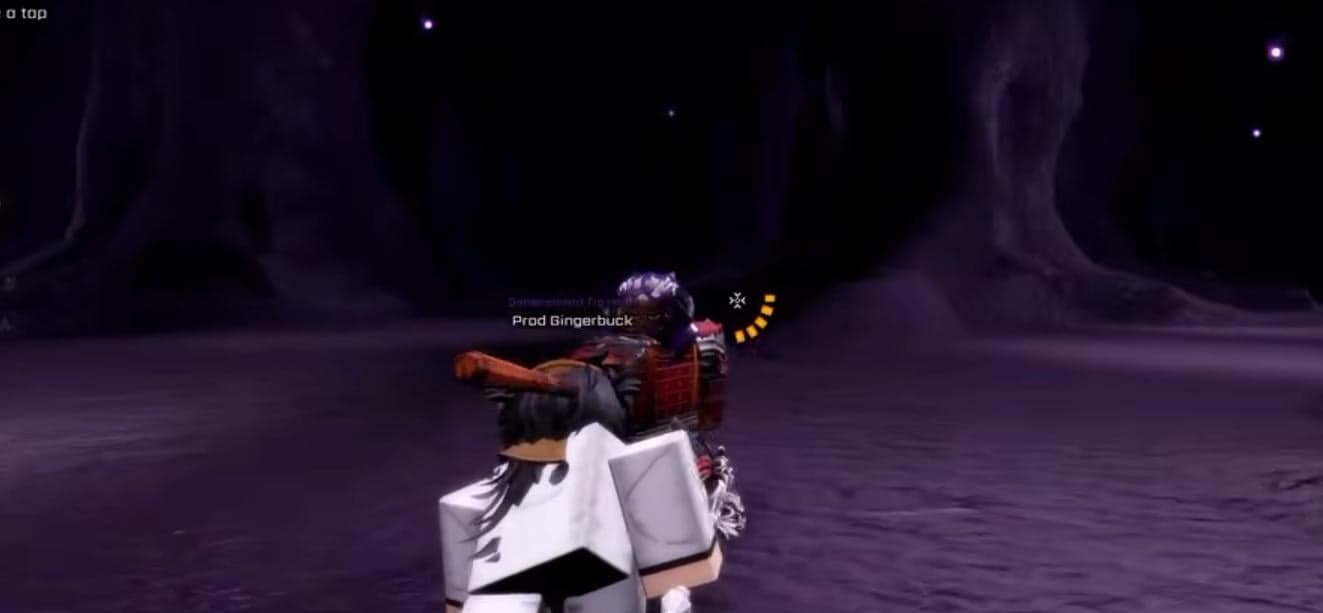
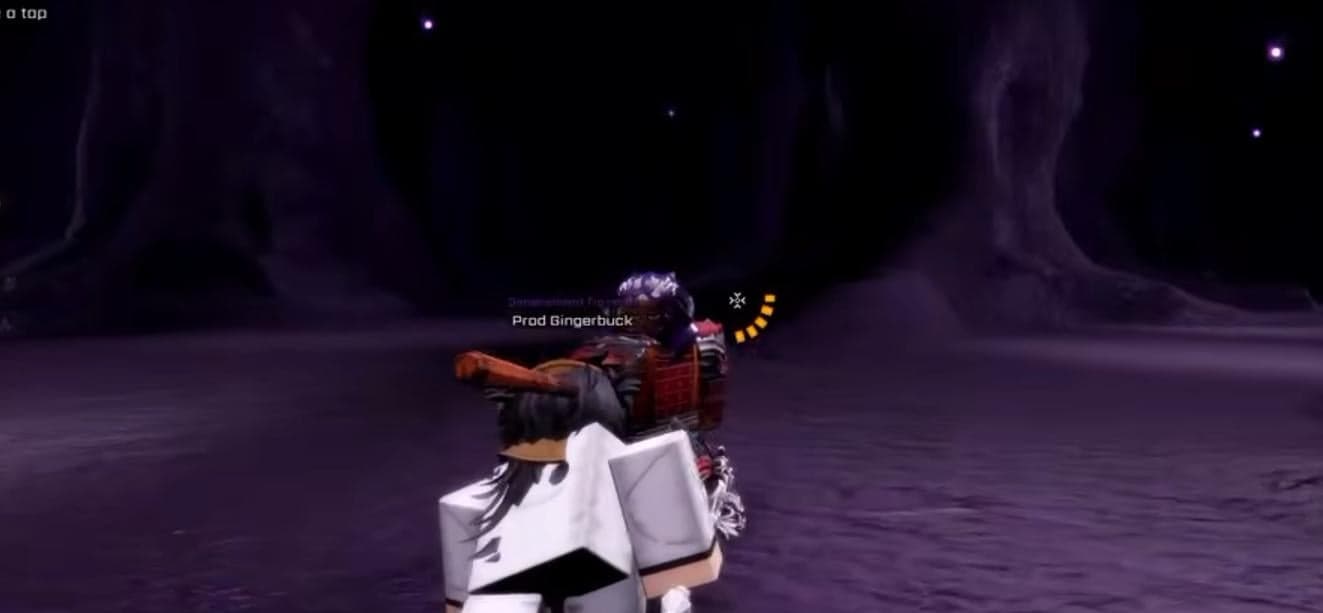
Movement and interaction keys form your baseline: WASD for direction, E for NPC/chest/object interaction, and X to equip or sheathe weapon before combat starts.
Combat inputs are M1 (up to 4-hit light chain), M2 block/parry timing, M3 heavy posture pressure, Space dodge, Q Flash Step, and F red-attack counter.
Utility keys M (skill tree), C (sense/perception), U (faction portal), and L (meditate/special) should be mapped into safe windows, never panic-used mid-overlap.
M1/M2/M3 Interaction and Posture Economy
M1 is your stable output tool. The 4th hit has slight knockback, so overextending chains into unsafe recovery is a common punish point.
M2 blocks reduce incoming damage but fill posture; perfect timing creates parries that stagger enemy and avoid your own posture buildup.
M3 is slower but does major posture damage against guarding targets, making it a deliberate guard-break tool instead of spam filler.
Key Tips
- ▸Confirm M1 before full chain
- ▸Use M2 as timing tool, not hold forever
- ▸Reserve M3 for proven openings
Parry, Counter, and Red/Yellow Rules
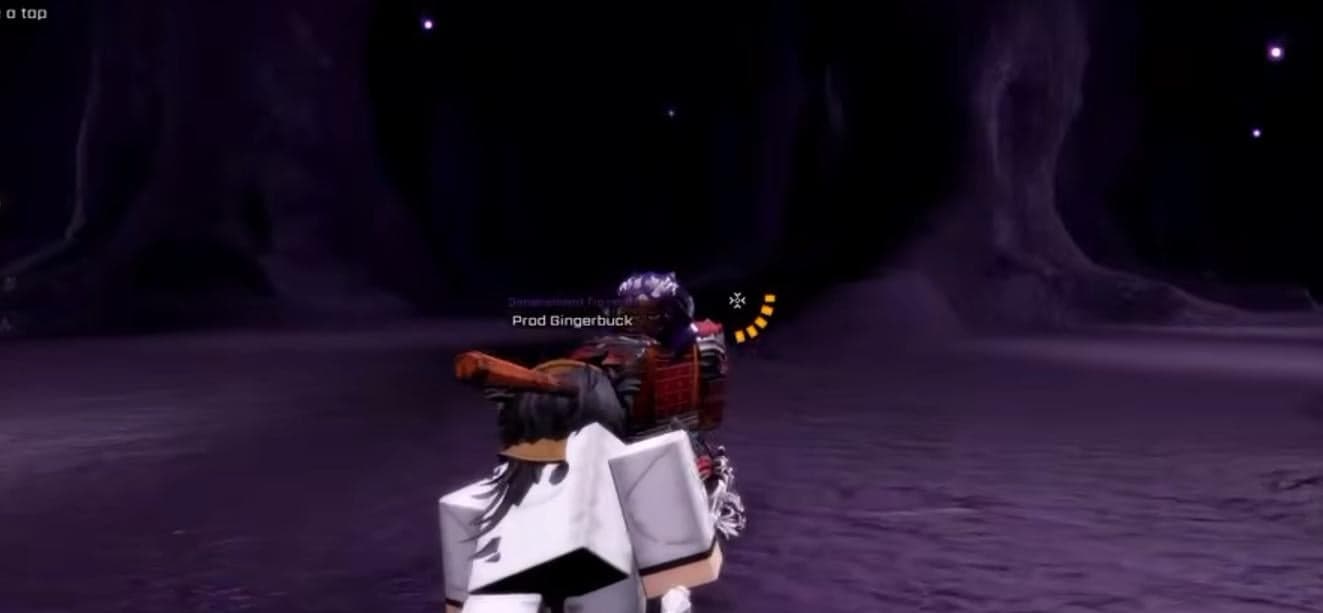
Red attacks cannot be handled by normal block/parry timing. You either press F with correct timing for a counter or dodge with i-frames.
Yellow AoE-style attacks are dodge-only and should not be treated like F-counter opportunities. Misreading yellow as red is a top beginner wipe source.
Practice this hierarchy on lower-risk mobs first: block/parry normal swings, F for true red telegraphs, and movement tools for AoE coverage.
- 1Normal swing -> M2 timing
- 2Red glow -> F or dodge
- 3Yellow/AoE -> space out
- 4Punish only after safe read
Ready to Try It In-Game?
You've got the knowledge — jump into VV: ULTIMATUM and put this guide to work.
Space Dodge and Flash Step Resource Discipline
Space dodge grants i-frames and should solve hitbox timing, not only distance. Dodging through arcs often beats backing into walls.
Q Flash Step consumes Reiatsu and has short cooldown; it is powerful both offensively and defensively, but overuse empties your emergency budget.
In extended fights, treat Q as a reserved button for overlap pressure and guaranteed escapes instead of routine map movement.
System Keys in Progression Flow
M for skill points should be used at secure checkpoints. Mid-fight menuing is a preventable death pattern.
C perception reads nearby targets through walls and is useful for route safety in contested maps or gauntlet staging.
L and U are progression accelerators when used intentionally: race actions at the right milestone and travel portal usage after efficient turn-in sequences.
Practical Drills to Build Muscle Memory
Run one-session focus drills: first practice M2 timing, then add F counters, then add Q budget management.
Do not train every mechanic simultaneously. Isolated drills produce faster consistency than chaotic mixed practice.
Once base rhythm is stable, rehearse in Sweetwater and early boss encounters where telegraphs are clear enough to read and repeat.
Next Up
Continue Your Journey
Players who read this guide often continue with these walkthroughs.
Ready to Try It In-Game?
You've got the knowledge — jump into VV: ULTIMATUM and put this guide to work.
Related Progression
Use this with linked hubs to keep race, build, and leveling routes aligned.
Play on RobloxWatch Original VideoBack to HomeExpanded from controls, quests, crafting, races, maps, items, and tier-list references.