— Builds
最佳構築完整攻略
围绕属性成长与技能树投入的路線化構築。
// 攻略摘要
结合 構築页与技能页,拆解属性投入、技能优先级、靈壓与架势资源管理。
核心要點速查
| 阶段 | 重点 | 执行 |
|---|---|---|
| Core stat | Build points | Set Health/Reiatsu/Posture/Stamina baseline |
| Attribute | Primary scaling | Lock Hakuda/Kido/Speed/Strength priority |
| SP plan | Tree order | Unlock high-impact skills first |
| Charm fit | Notch budget | Add effects without HP collapse |
| Validation | Field test | Check boss and PvP consistency |
Three Build Systems You Must Balance

Character power is split across Build Points (400 total), Attribute Points, and Skill Points.
Build Points define survivability/resources; attributes define scaling; skill trees define active toolkit and passives.
Ignoring one layer creates weak spots that show up immediately in bosses and gauntlets.
Shinigami Templates
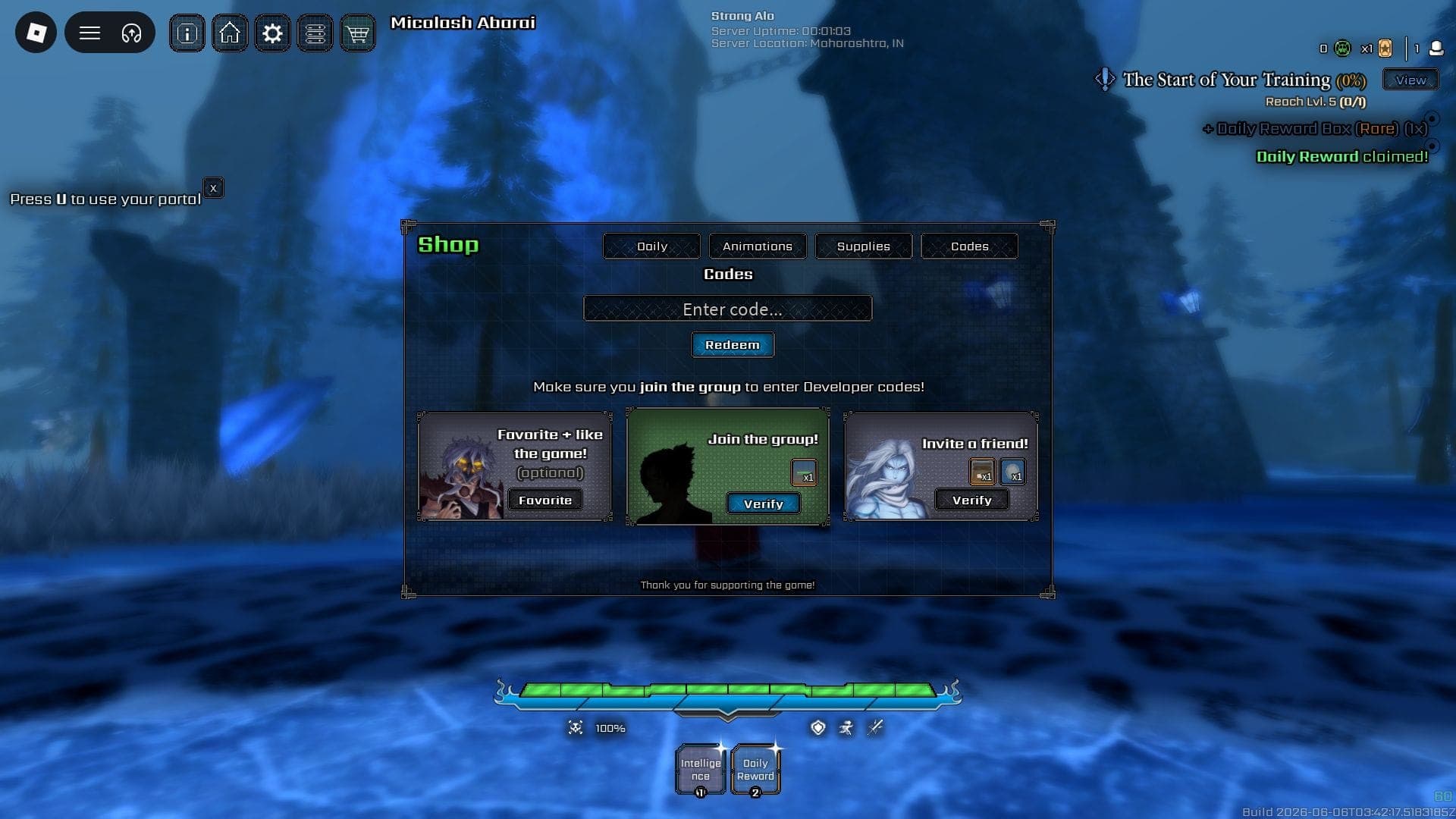
Kido-focused template: high Reiatsu, moderate Health/Posture, Kido-max attributes for ranged pressure.
Hakuda hybrid template: balanced Health/Posture, moderate Reiatsu, split Hakuda+Kido for flexible close/range flow.
Pick based on preferred fight distance and execution comfort, then commit instead of oscillating every session.
Quincy Templates
Weapon DMG build prioritizes Strength with high Reiatsu for spirit weapon uptime and ranged DPS pressure.
Kido support build shifts toward utility control, Kido primary with Speed secondary for positioning.
Quincy builds must preserve mobility and resource flow because ranged control collapses quickly when cornered.
準備好進遊戲試試了嗎?
攻略在手——現在就進 VV: ULTIMATUM 實踐一下吧。
Hollow Templates
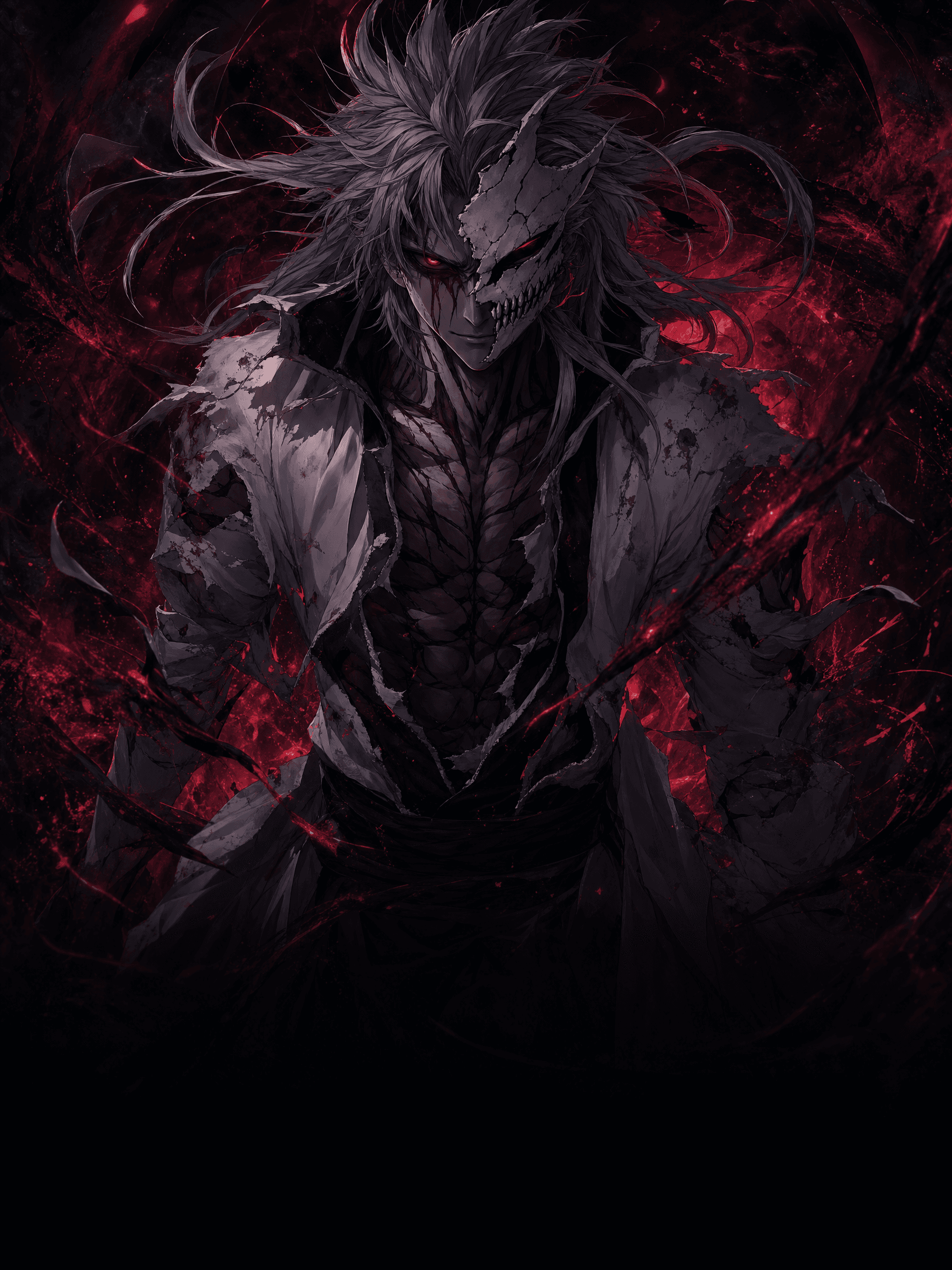
Melee tank: max Health/Posture, Hakuda primary, often paired with Iron Skin for durability-heavy boss routes.
Speed assassin: high Shunpo Stamina/Reiatsu, Speed primary, often paired with Wings for angle-based burst play.
Hollow path choice (Adjucar vs Vastocar route) should influence long-term build and trait planning from midgame onward.
Charm and Notch Integration
Charms should patch weaknesses or amplify proven strengths, not randomly stack tier costs.
Crossing 3 notches reduces max HP, so high-cost setups need concrete survivability compensation.
Examples: Giant Fighter for bossing, Undying Soul for consistency, and role-specific picks by archetype.
How to Tune a Build After Testing

Adjust one variable at a time: attribute split, one skill cluster, or one charm slot.
Test across at least two content types (boss and open world or PvP) before deciding a change is truly better.
A build is complete when it clears your target content consistently, not when every stat looks perfect on paper.
下一步
繼續你的旅程
讀完本篇的玩家通常會繼續閱讀這些攻略。

Expanded from controls, quests, crafting, races, maps, items, and tier-list references.