— Builds
Best Builds Full Guide
Race-by-race templates for Shinigami, Quincy, and Hollow with practical tuning logic.
// Guide Summary
Built from build guides and best-build references. Covers 400 build points framework, attribute priorities, and role builds (Kido, Hakuda hybrid, Weapon DMG, Kido support, Hollow tank, Speed assassin).
Quick Reference
| Stage | Focus | Execution |
|---|---|---|
| Core stat | Build points | Set Health/Reiatsu/Posture/Stamina baseline |
| Attribute | Primary scaling | Lock Hakuda/Kido/Speed/Strength priority |
| SP plan | Tree order | Unlock high-impact skills first |
| Charm fit | Notch budget | Add effects without HP collapse |
| Validation | Field test | Check boss and PvP consistency |
Three Build Systems You Must Balance

Character power is split across Build Points (400 total), Attribute Points, and Skill Points.
Build Points define survivability/resources; attributes define scaling; skill trees define active toolkit and passives.
Ignoring one layer creates weak spots that show up immediately in bosses and gauntlets.
Shinigami Templates
Kido-focused template: high Reiatsu, moderate Health/Posture, Kido-max attributes for ranged pressure.
Hakuda hybrid template: balanced Health/Posture, moderate Reiatsu, split Hakuda+Kido for flexible close/range flow.
Pick based on preferred fight distance and execution comfort, then commit instead of oscillating every session.
Quincy Templates
Weapon DMG build prioritizes Strength with high Reiatsu for spirit weapon uptime and ranged DPS pressure.
Kido support build shifts toward utility control, Kido primary with Speed secondary for positioning.
Quincy builds must preserve mobility and resource flow because ranged control collapses quickly when cornered.
Ready to Try It In-Game?
You've got the knowledge — jump into VV: ULTIMATUM and put this guide to work.
Hollow Templates
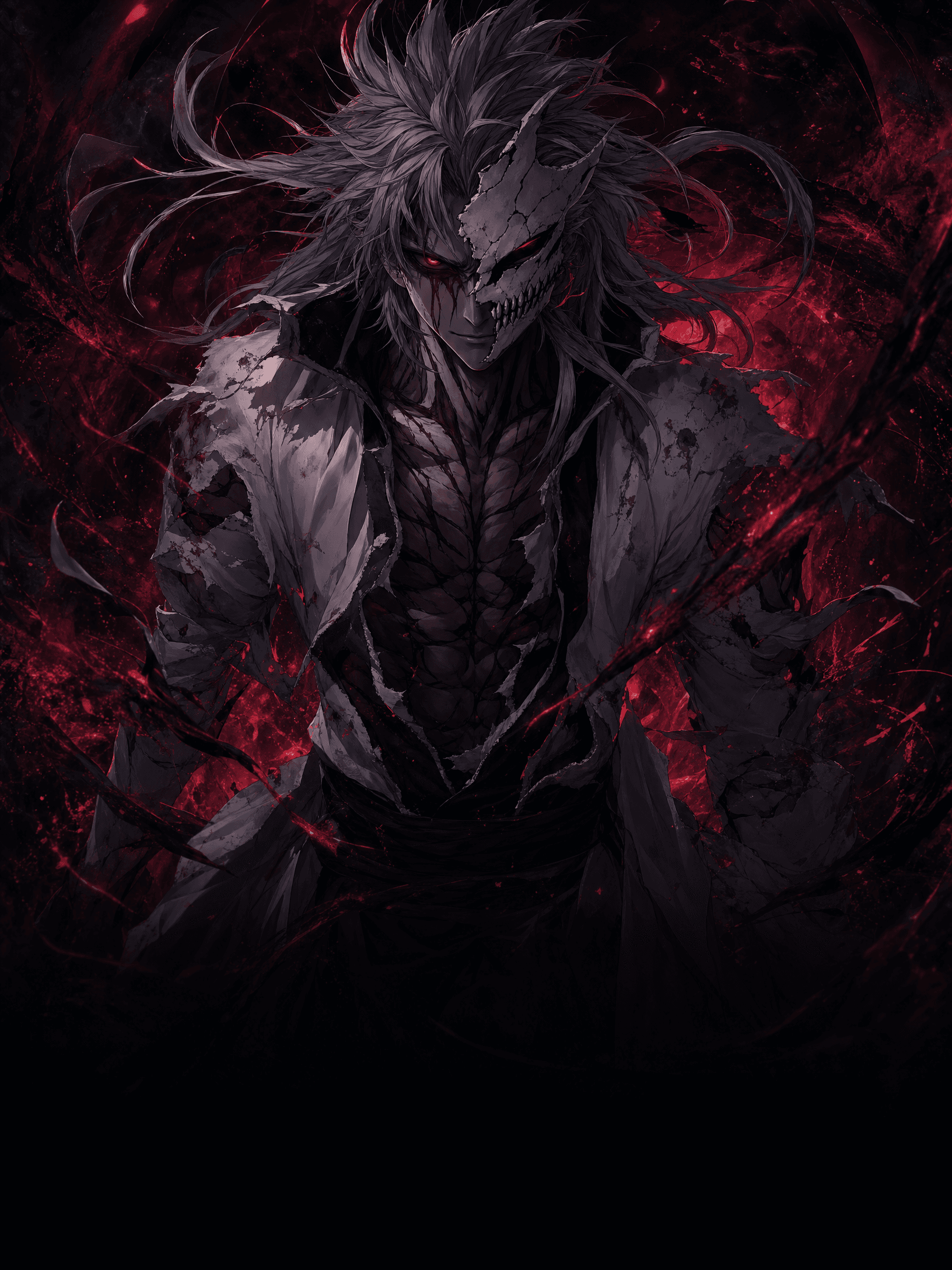
Melee tank: max Health/Posture, Hakuda primary, often paired with Iron Skin for durability-heavy boss routes.
Speed assassin: high Shunpo Stamina/Reiatsu, Speed primary, often paired with Wings for angle-based burst play.
Hollow path choice (Adjucar vs Vastocar route) should influence long-term build and trait planning from midgame onward.
Charm and Notch Integration
Charms should patch weaknesses or amplify proven strengths, not randomly stack tier costs.
Crossing 3 notches reduces max HP, so high-cost setups need concrete survivability compensation.
Examples: Giant Fighter for bossing, Undying Soul for consistency, and role-specific picks by archetype.
How to Tune a Build After Testing

Adjust one variable at a time: attribute split, one skill cluster, or one charm slot.
Test across at least two content types (boss and open world or PvP) before deciding a change is truly better.
A build is complete when it clears your target content consistently, not when every stat looks perfect on paper.
Next Up
Continue Your Journey
Players who read this guide often continue with these walkthroughs.
Builds
Best Build For Each Race
Arrancar, Quincy, and Shinigami optimal skill tree picks — Speed, Hakuda, and Kido paths.

Systems
Hogyoku Shard & Build Reset Guide
Hogyoku shards, experimental shards, skill tree reset, stats reset, clan rerolls, and all 7 wishes.
Tier List
Skill Tree Tier List
SP cost, skill counts, priority picks, race order.
Ready to Try It In-Game?
You've got the knowledge — jump into VV: ULTIMATUM and put this guide to work.
Related Progression
Use this with linked hubs to keep race, build, and leveling routes aligned.
Play on RobloxWatch Original VideoBack to HomeExpanded from controls, quests, crafting, races, maps, items, and tier-list references.